
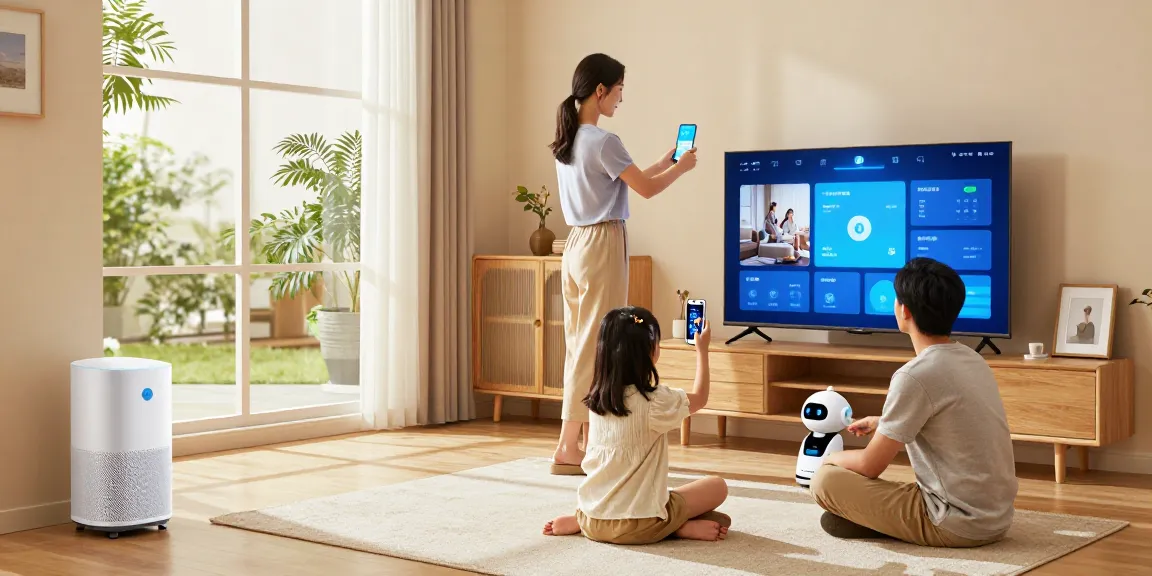
The Rise of Smart Home Technology
In recent years, the concept of a smart home has transitioned from a futuristic dream to an everyday reality. As technology progresses at an unprecedented pace, integrating digital devices into our living spaces has become easier and more accessible. A smart home leverages the Internet of Things (IoT) to connect various home devices, allowing homeowners to control and monitor their living environment remotely. This evolution promises increased convenience, energy efficiency, and enhanced security. Understanding the implications of smart home technology is crucial for anyone looking to enhance their living experience or invest in home automation. For comprehensive insights, the Smart Home Blog offers valuable resources and advice tailored to modern families.
Understanding Smart Home Basics
At its core, a smart home utilizes interconnected devices that can communicate with one another through a centralized system. These devices range from smart thermostats and lighting systems to advanced security cameras and appliances. Homeowners can operate these devices via smartphone applications, voice control, or automated settings, creating a seamless and efficient living environment.
- Smart Hub: A central platform that connects all smart devices in the home.
- Smart Sensors: Devices that detect changes in the environment, such as motion or temperature.
- Actuators: Components that perform actions based on commands received, like adjusting blinds or turning on lights.
Key Advantages of Smart Homes
Investing in smart home technology comes with a plethora of benefits. Here are some key advantages that make smart homes appealing:
- Energy Efficiency: Smart thermostats and lighting can be programmed to use less energy, reducing utility bills.
- Enhanced Security: Smart cameras and alarms provide real-time monitoring and alerts, improving home security.
- Convenience: Automating daily tasks, such as adjusting the thermostat or scheduling lights, saves time and effort.
- Increased Property Value: Homes equipped with smart technology can see a rise in property values and appeal to tech-savvy buyers.
Common Misconceptions in Smart Home Implementations
Despite the rising popularity of smart homes, several misconceptions can deter potential users:
- High Costs: While some smart devices can be pricey, many affordable options exist.
- Complexity: A smart home can be tailored to any user’s level of technical ability, with many systems designed for ease of use.
- Security Risks: Although data privacy is a concern, manufacturers are continually enhancing security measures to protect users.
Choosing the Right Smart Devices
With a myriad of options on the market, selecting the appropriate smart devices for your home can be a daunting task. It’s essential to consider compatibility, functionality, and your specific needs when making a choice.
Top Smart Devices for Home Automation
Some popular smart home devices that can significantly enhance your living experience include:
- Smart Speakers: Devices like Amazon Echo and Google Nest Hub facilitate voice control for other smart devices.
- Smart Thermostats: Products such as the Nest Thermostat adapt to your heating and cooling preferences over time, optimizing energy use.
- Smart Lighting: Systems like Philips Hue allow for customizable and energy-efficient lighting solutions throughout the home.
- Smart Security Cameras: Options from Arlo or Ring offer advanced security features, including motion detection and live feed access.
Factors to Consider When Selecting Devices
When choosing smart devices, consider the following factors:
- Compatibility: Ensure devices work well with existing systems and platforms.
- Ease of Use: Opt for user-friendly interfaces and controls.
- Support and Updates: Choose reputable brands that offer regular updates and customer support.
- Scalability: Look for systems that can easily integrate additional devices as your needs evolve.
Integration and Compatibility Across Devices
To create a truly smart home experience, it’s essential to ensure that your devices work together seamlessly. Some key platforms for integration include:
- Amazon Alexa: Supports a wide range of smart devices, allowing centralized control through voice commands.
- Google Assistant: Integrates with various devices, offering smart home management via voice or app.
- Apple HomeKit: Provides robust security for Apple users while connecting a variety of compatible devices.
Smart Home Security Essentials
As homes become smarter, the importance of robust security measures cannot be overstated. Smart homes may present unique vulnerabilities, making it crucial to implement strong security protocols.
Importance of Home Security Systems
Smart home security systems are essential for protecting your property and loved ones. These systems not only deter potential intruders but also keep homeowners informed about their home’s safety through real-time alerts and monitoring.
Best Practices for Securing Your Smart Home
To secure your smart home effectively, follow these best practices:
- Regular Updates: Ensure all devices are updated with the latest security patches.
- Strong Passwords: Use complex, unique passwords for each device and change them regularly.
- Two-Factor Authentication: Enable two-factor authentication on devices when available for added security.
Common Security Risks and How to Mitigate Them
Some common security risks associated with smart homes include:
- Hacking: Devices with weak security protocols can be vulnerable to cyber-attacks. Mitigate this risk by using strong passwords and regular updates.
- Data Privacy: Be mindful of the information shared with smart devices, and review privacy settings.
- Device Compatibility: Incompatibility between different brands can create security loopholes. Choose devices that comply with established standards.
Optimizing Your Smart Home Setup
Once you’ve chosen your smart devices, optimizing your smart home setup is the next critical step. This ensures your home runs smoothly and efficiently.
DIY Smart Home Projects for Beginners
Engaging in DIY smart home projects can enhance your home automation experience without breaking the bank. Consider the following projects:
- Smart Lighting Control: Install smart bulbs that you can control via your smartphone.
- Automated Blinds: Use smart curtains to control natural light and privacy levels.
- Home Assistant Setup: Use an open-source platform for automation that allows extensive customization.
Using Smart Hubs for Centralized Control
Smart hubs act as the nerve center of your smart home, enabling seamless communication between devices. Popular options include:
- Samsung SmartThings: Compatible with a variety of devices across different brands.
- Amazon Echo Plus: Combines smart speaker functionality with hub capabilities for simplified control.
- Google Nest Hub: Offers visual control alongside voice commands, perfect for managing daily routines.
Energy Efficiency Tips for Smart Homes
Maximizing energy efficiency is one of the central benefits of a smart home. Here are practical tips to optimize energy usage:
- Smart Thermostats: Program your thermostat to adjust temperatures based on your schedule.
- Smart Sensors: Use motion detectors to turn off lights in unoccupied rooms.
- Energy Monitoring Devices: Install devices to track energy consumption and identify inefficient appliances.
The Future of Smart Homes
The smart home landscape is rapidly evolving, with innovations set to redefine how we interact with our living spaces. As we approach 2026, several emerging trends are shaping the future of home automation.
Emerging Trends in Smart Home Technology for 2026
Anticipated trends influencing smart homes include:
- Artificial Intelligence: AI integration will enable more intuitive and personalized home automation experiences.
- Increased Energy Efficiency: Advances in smart technology will focus on sustainability, promoting eco-friendly practices.
- Interoperability: Improved communication between different devices across platforms will simplify user experiences.
AI and Automation’s Role in Future Developments
Artificial intelligence will play a pivotal role in shaping the smart home experience. Expect to see:
- Predictive Maintenance: AI-enabled devices will inform users about potential malfunctions before they occur.
- Personalized Automation: Systems that learn homeowner routines will adapt settings accordingly for maximum convenience.
- Enhanced Voice Recognition: Smarter voice assistants will offer more natural interactions and greater control over multiple devices.
Preparing Your Home for Future Innovations
To future-proof your smart home, consider the following strategies:
- Invest in Compatible Technology: Focus on devices that follow universal standards for easier integration.
- Monitor Technological Advances: Stay informed about upcoming features and devices to upgrade your system as needed.
- Adaptability: Opt for systems that allow for expansions, ensuring your smart home can grow with technological advancements.
What are Common Problems with Smart Homes?
Common issues in smart home setups include connectivity problems, device compatibility challenges, and privacy concerns. Addressing these concerns upfront can help mitigate headaches down the line.
Is There a Monthly Fee for Smart Homes?
Many smart home systems require ongoing fees for services such as cloud storage and monitoring. Typically, these fees range from $10 to $50 a month, depending on the complexity and number of devices in the system.
What Are the Trending Topics in Smart Home Automation?
Among the trending topics in the industry are innovations in AI-powered appliances, improvements in connectivity standards, and the rise of health-focused smart devices enhancing wellness tracking.
What is the Most Popular Smart Device?
Currently, smart speakers like the Amazon Echo and Google Nest remain frontrunners in the market due to their versatility and compatibility with numerous smart devices.
How Can I Make My Home More Energy-Efficient with Smart Technology?
Utilizing smart thermostats, energy monitoring devices, and motion sensor lighting can significantly improve energy efficiency in your home.. Additionally, Smart Home Gadgets provides further details.