
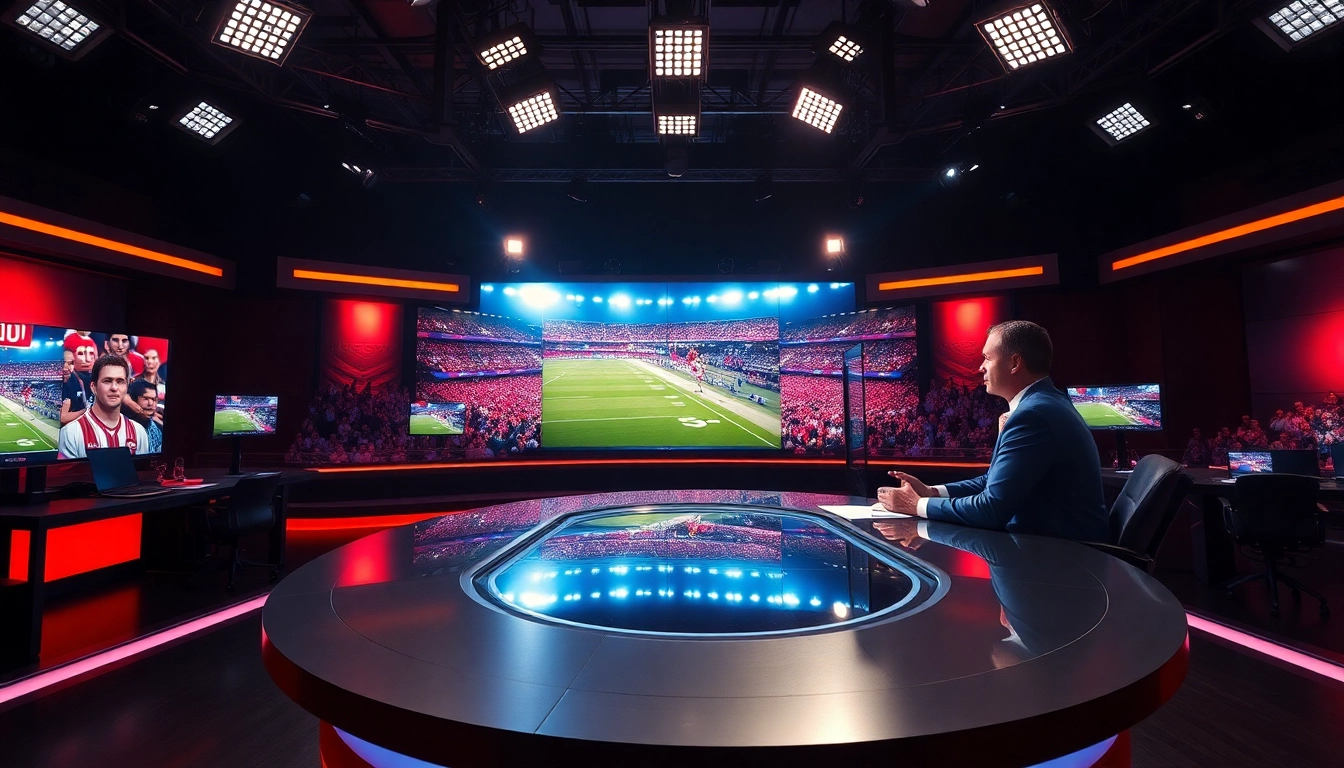
The Landscape of Sports Broadcasting
Introduction to Sports Broadcasting
Sports broadcasting has transformed dramatically over the years, evolving from traditional television airtime to a more multifaceted digital landscape. Today's fans expect instant access, high-quality visuals, and a breadth of content beyond just the game. The rise of Sports Broadcasting as a key aspect of entertainment has sparked innovation in content delivery, engaging fans like never before.
Key Players in the Industry
The sports broadcasting industry comprises various key players, including networks, streaming platforms, advertisers, and sports leagues. Major television networks have typically led the market, but digital platforms are rapidly gaining ground. Companies leveraging advanced technology and data analytics are shaping how content is delivered and engaged with during live events. Collaborations between leagues and broadcasters can also result in unique content packages, enhancing viewer experience and maximizing revenues.
Impact of Technology on Sports Broadcasting
Technology continues to reshape sports broadcasting, with advancements in AR, VR, and AI enhancing viewer engagement. High-definition streaming, real-time stats, and enhanced graphics also play significant roles, creating an immersive experience during live broadcasts. Fans can now interact through social media, share experiences, and influence the way games are consumed, fundamentally transforming traditional viewing habits.
Elements of Successful Sports Broadcasting
Understanding Audience Preferences
Successful sports broadcasting hinges on a deep understanding of audience preferences. Platforms must analyze viewer demographics and behavioral patterns to tailor content effectively. Surveys, viewership data, and social media interactions are invaluable for understanding what resonates with audiences. By engaging directly with fans through various channels, broadcasters can refine their offerings and foster loyalty.
Creating Compelling Content
Compelling content is the backbone of effective sports broadcasting. This includes not only game coverage but also pre- and post-game shows, player interviews, and expert analyses. Engaging storytelling, whether through personal anecdotes or behind-the-scenes looks, enhances the emotional connection fans have with their teams and players. Broadcasters must leverage quality production and narrative depth to attract and retain viewers.
Effective Use of Visuals and Graphics
The effective use of visuals and graphics can significantly enhance the viewing experience. Introducing augmented reality graphics during broadcasts can provide viewers with real-time statistics and visual breakdowns of plays, enhancing understanding and engagement. Careful consideration must be given to how graphics are integrated, ensuring they enhance rather than distract from the live action.
Challenges in Sports Broadcasting
Addressing Viewer Engagement Issues
One of the primary challenges in sports broadcasting is maintaining viewer engagement amidst numerous distractions. Content must be tailored to hold the audience's attention, appealing not just to avid sports fans but also to casual viewers. Interactivity, including polls, social media integration, and gamified experiences can bolster engagement by making the audience feel involved.
Navigating Technological Barriers
Technological barriers can impede the effectiveness of sports broadcasting. Lag times, buffering issues, and poor-quality streaming can frustrate viewers. Ensuring robust infrastructure, including reliable high-speed internet and cutting-edge broadcasting equipment, is vital for a seamless viewer experience. Continuous investment in technology helps mitigate these challenges and keeps broadcasters competitive.
Managing Rights and Distribution
Rights management and distribution poses a significant challenge in the sports broadcasting landscape. Navigating these rights is crucial to ensure legal compliance and avoid costly disputes. Broadcasters must establish clear agreements with leagues and teams regarding content distribution. Creating a flexible yet robust distribution strategy can help secure exclusive partnerships and tap into diverse market segments.
Future Trends in Sports Broadcasting
The Rise of Streaming Services
As viewer habits shift away from traditional television, the rise of streaming services has become a notable trend in sports broadcasting. Platforms such as ESPN+, DAZN, and others are harnessing this trend to attract subscribers by offering exclusive content and live games. Broadcasters are leveraging streaming to connect with younger audiences who prefer on-demand content and flexible viewing options.
Interactive and Immersive Experiences
Future sports broadcasting trends suggest increasing interactivity and immersion. Expect virtual reality experiences that allow fans to watch games from different perspectives, enhancing their emotional engagement. Interactive features, such as live betting, real-time voting for the MVP, and fan chatrooms during games, are set to redefine how fans experience sports.
Data-Driven Decision Making
Data-driven decision-making will become increasingly crucial in sports broadcasting. Leveraging big data analytics to understand viewer preferences and behavior will allow broadcasters to provide more personalized content. This includes everything from tailored ad experiences to customized content delivery that resonates with individual viewers, further enhancing viewer satisfaction and loyalty.
FAQs in Sports Broadcasting
What is Sports Broadcasting?
Sports Broadcasting is the production and distribution of live sports events over various media, such as television and online platforms.
How has technology changed Sports Broadcasting?
Technology has enhanced viewer experiences through advanced graphics, commentary tools, and streaming capabilities on various devices.
What are common challenges in Sports Broadcasting?
Challenges include viewer engagement, technological limitations, rights management, and adapting to changing viewer habits.
What trends should we expect in the future of Sports Broadcasting?
Expect growth in streaming services, immersive experiences like VR, and increased utilization of AI for analytics.
How can I engage with Sports Broadcasting content?
You can engage by watching live games, participating in social media discussions, and following sports analysis provided by broadcasters.